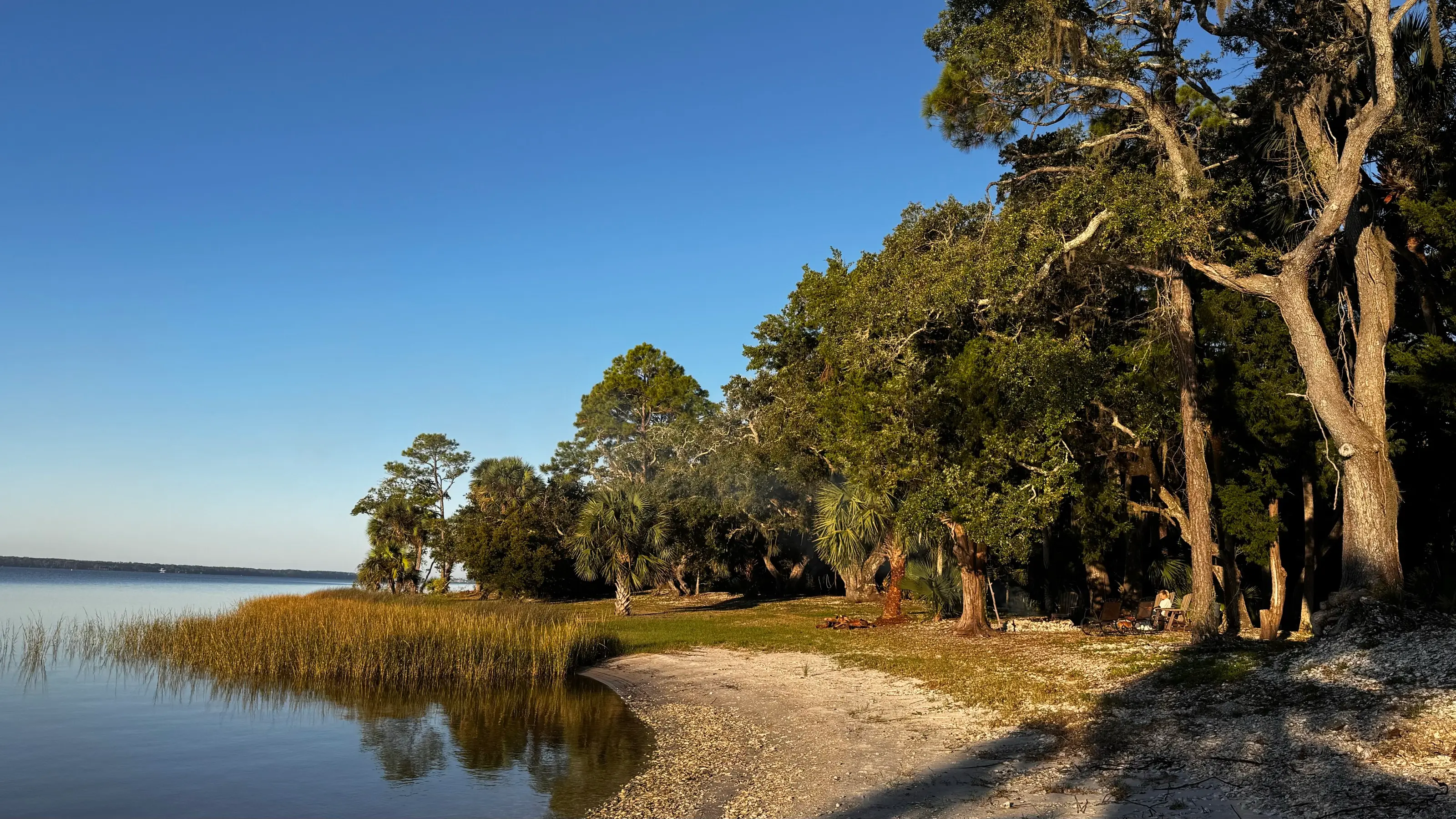
The Forgotten Coast
Around Apalachicola
A stretch of Gulf coast that never got developed the way the rest of Florida did.
The place
A town of about two thousand people
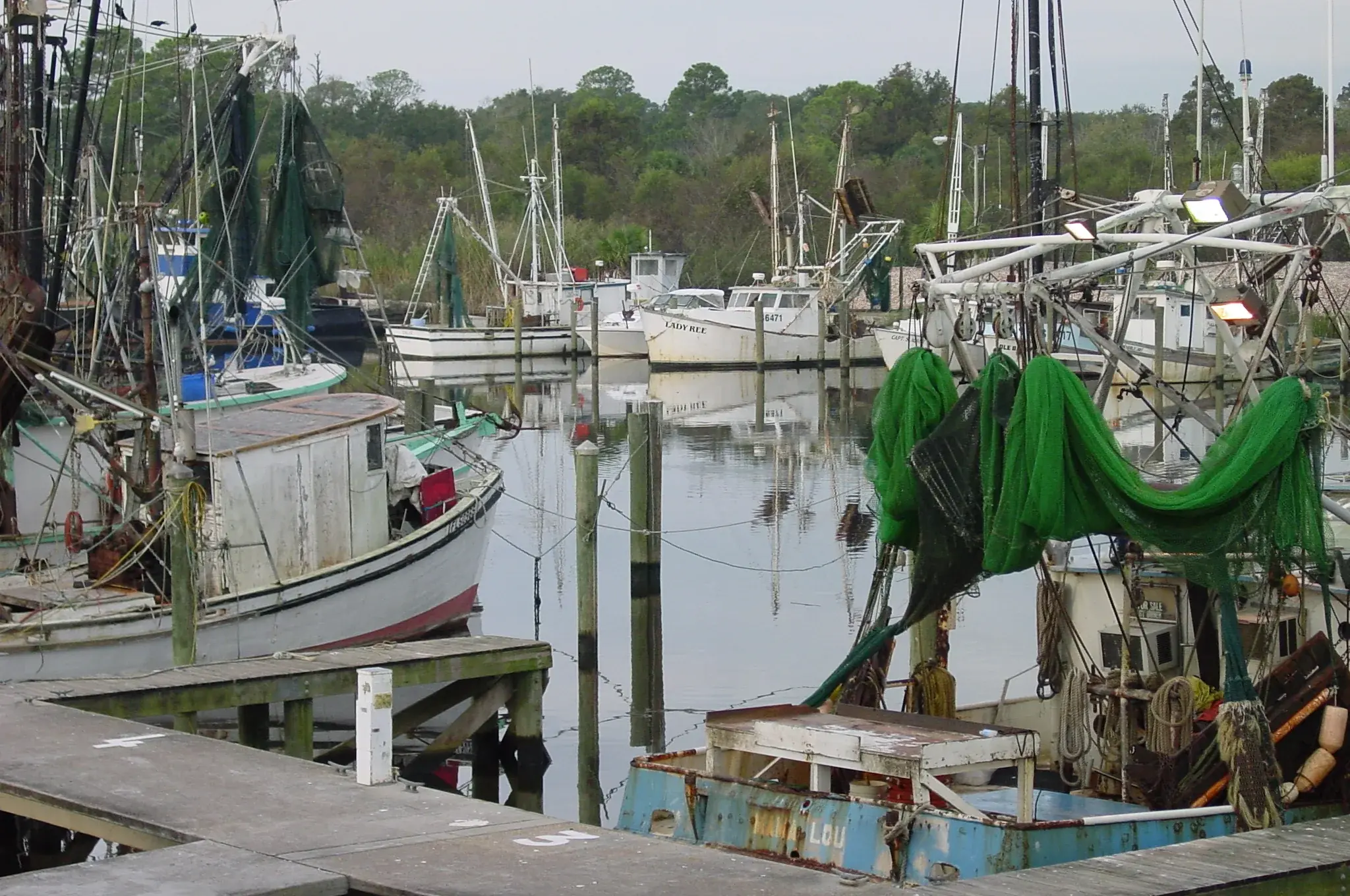
Apalachicola sits at the mouth of the river that gives it its name. For most of the twentieth century it supplied a large share of the oysters eaten in the United States, and the waterfront is still a working one.
The historic district holds several hundred buildings from the nineteenth and early twentieth centuries, which is what a cotton port and then an oyster port could pay for. This house is one of them, or was: it stood on the corner of Avenue K and Seventh Street for its first sixty-seven years.
No high-rises, no chain strip, not much traffic. The coast either side is called the Forgotten Coast.
The waterfront
Boats that are still working
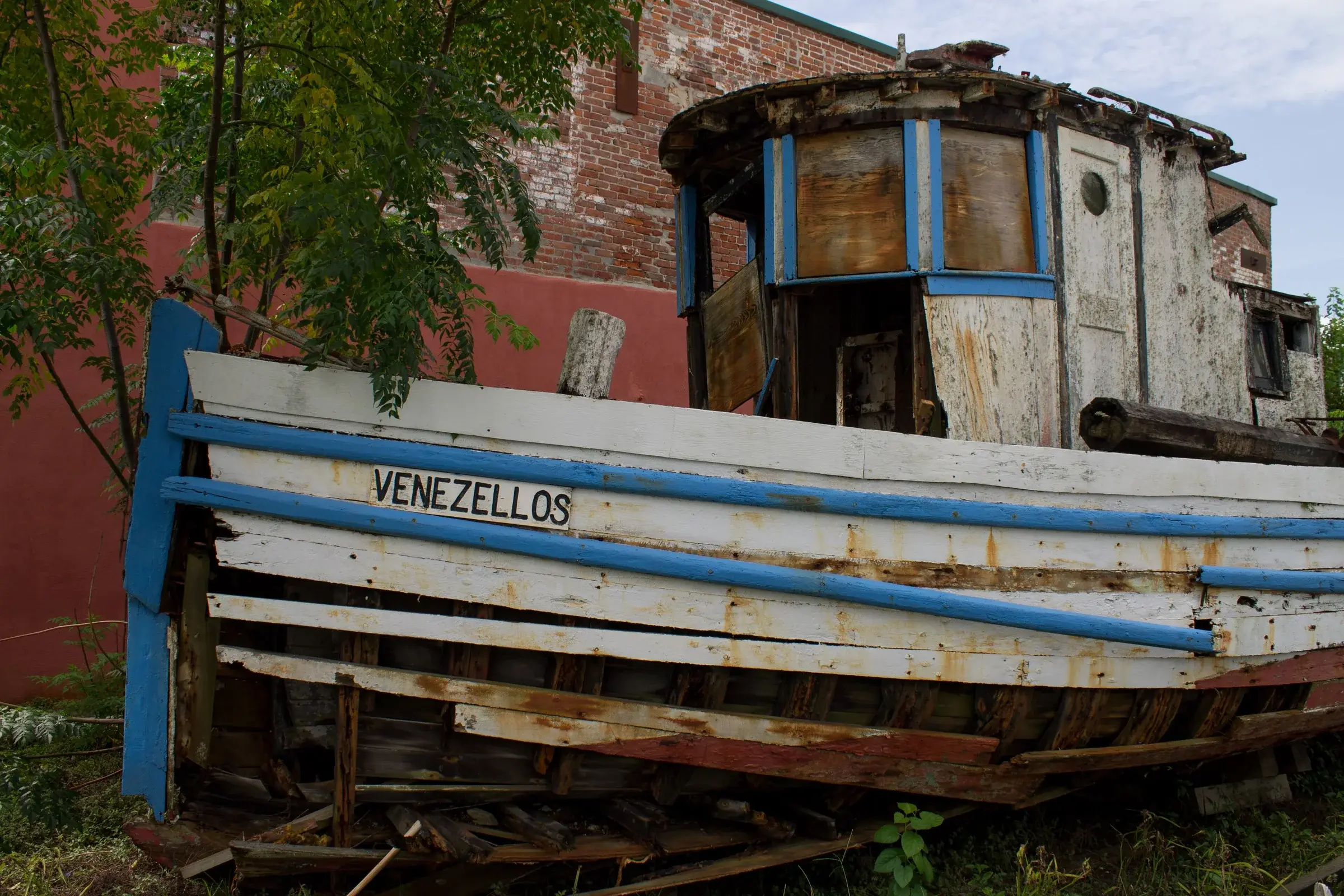
Shrimpers and oyster boats tie up along the town waterfront, in among the restaurants rather than out of sight of them.
In town
The Gibson Inn
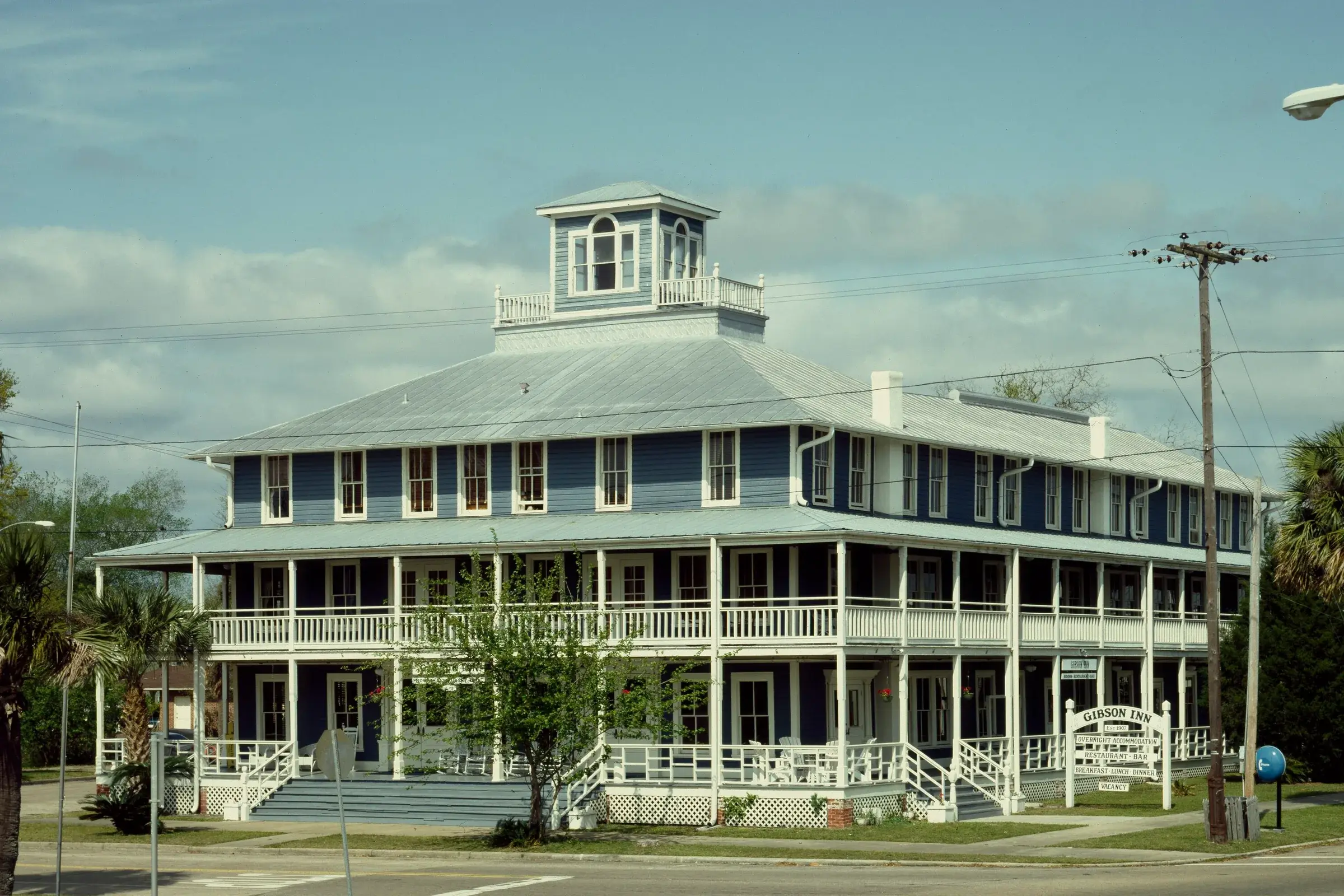
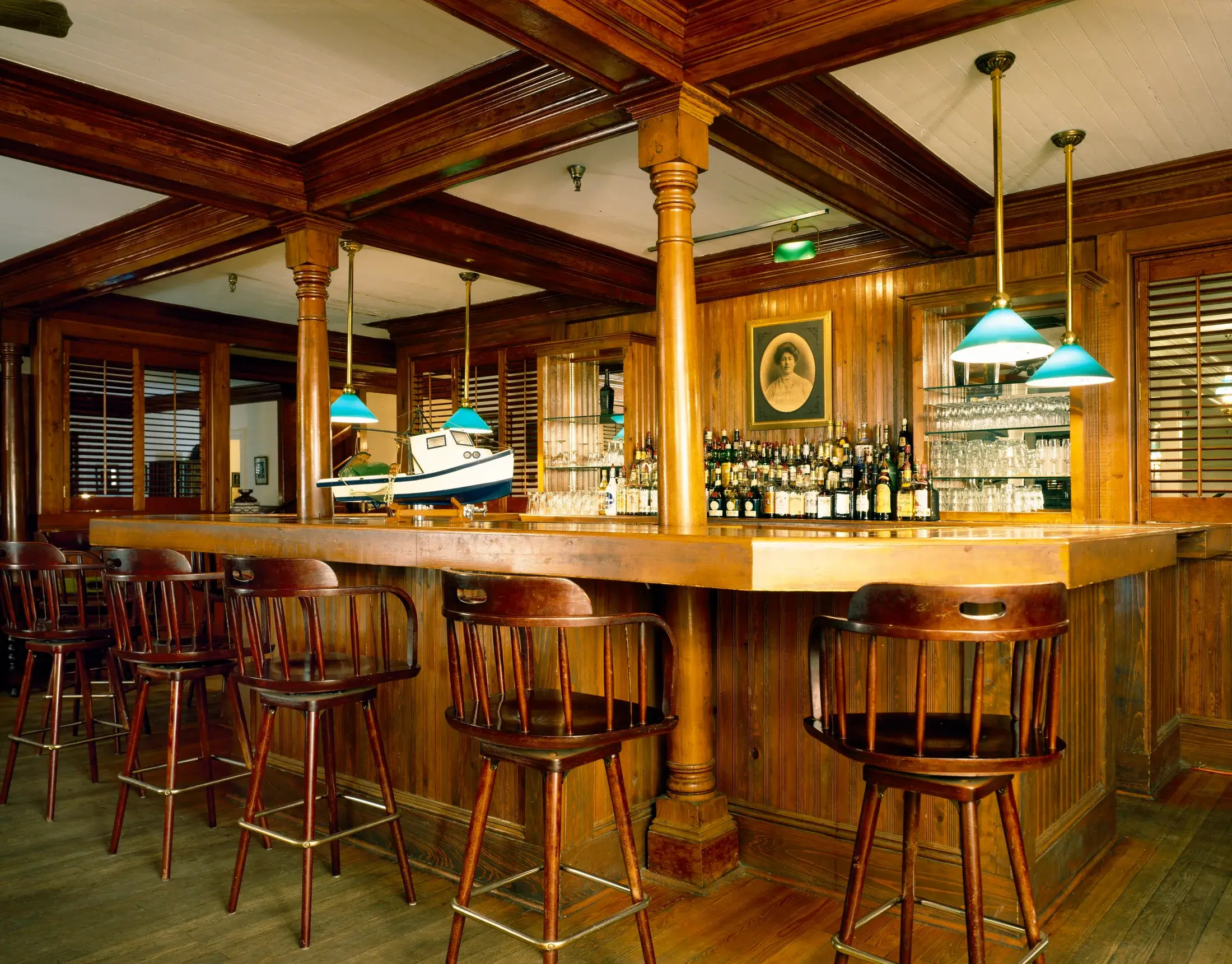
A hotel since 1907, the year this house was built. It stands in the Apalachicola Historic District and is still a hotel. The Library of Congress files its bar as a favorite Panhandle watering hole.
What is left standing
The Ice Company
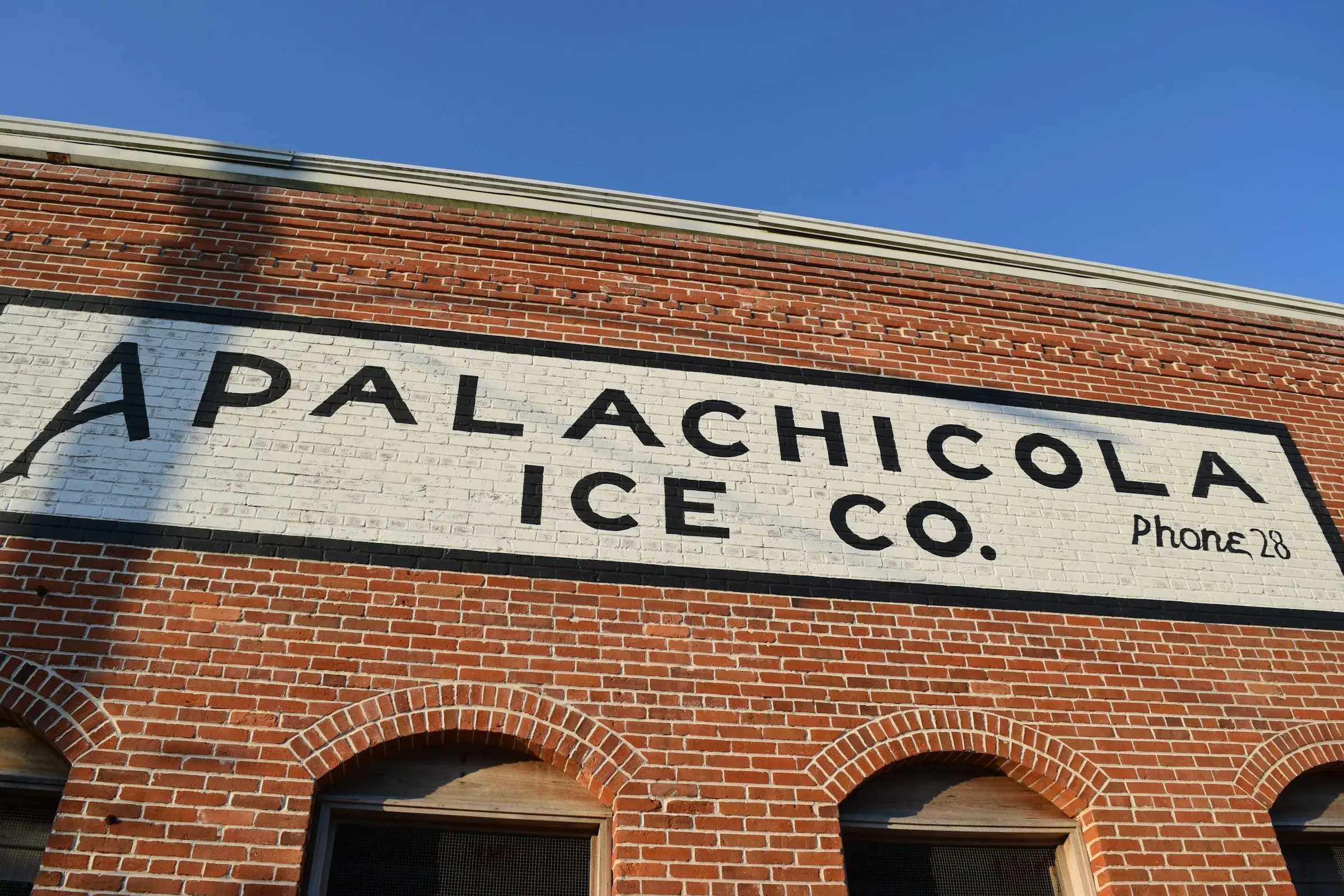
Ice is what let Apalachicola ship seafood inland — mechanical refrigeration was invented in this town — and the ice company's building is still standing with its phone number painted on the brick. Two digits.
Oysters
What the bay is known for
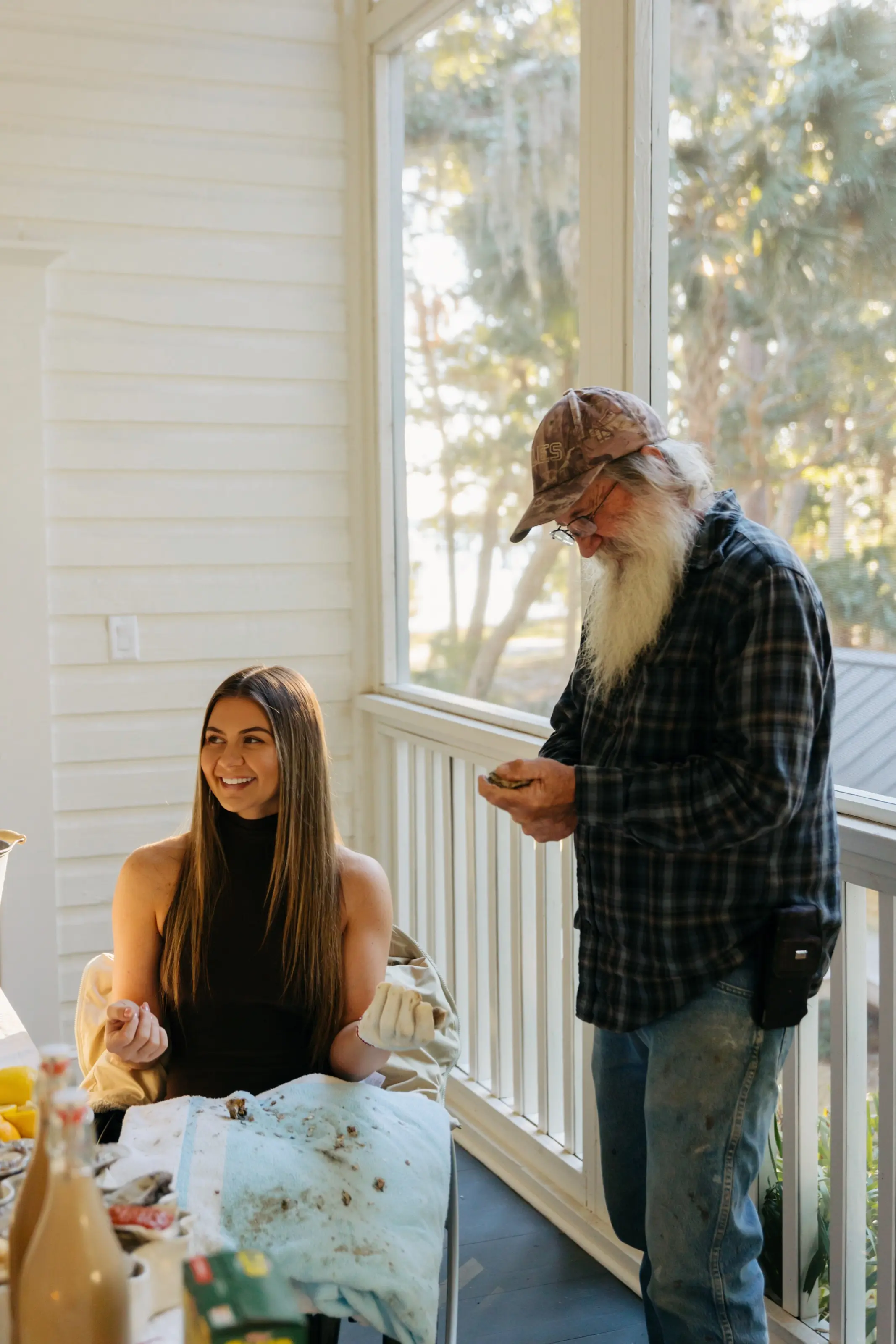
Apalachicola Bay oysters built the town. Harvesting has been restricted in recent years while the bay recovers, so what is available varies. We will tell you where it stands for your dates.
St. Vincent Sound
The water in front of the house
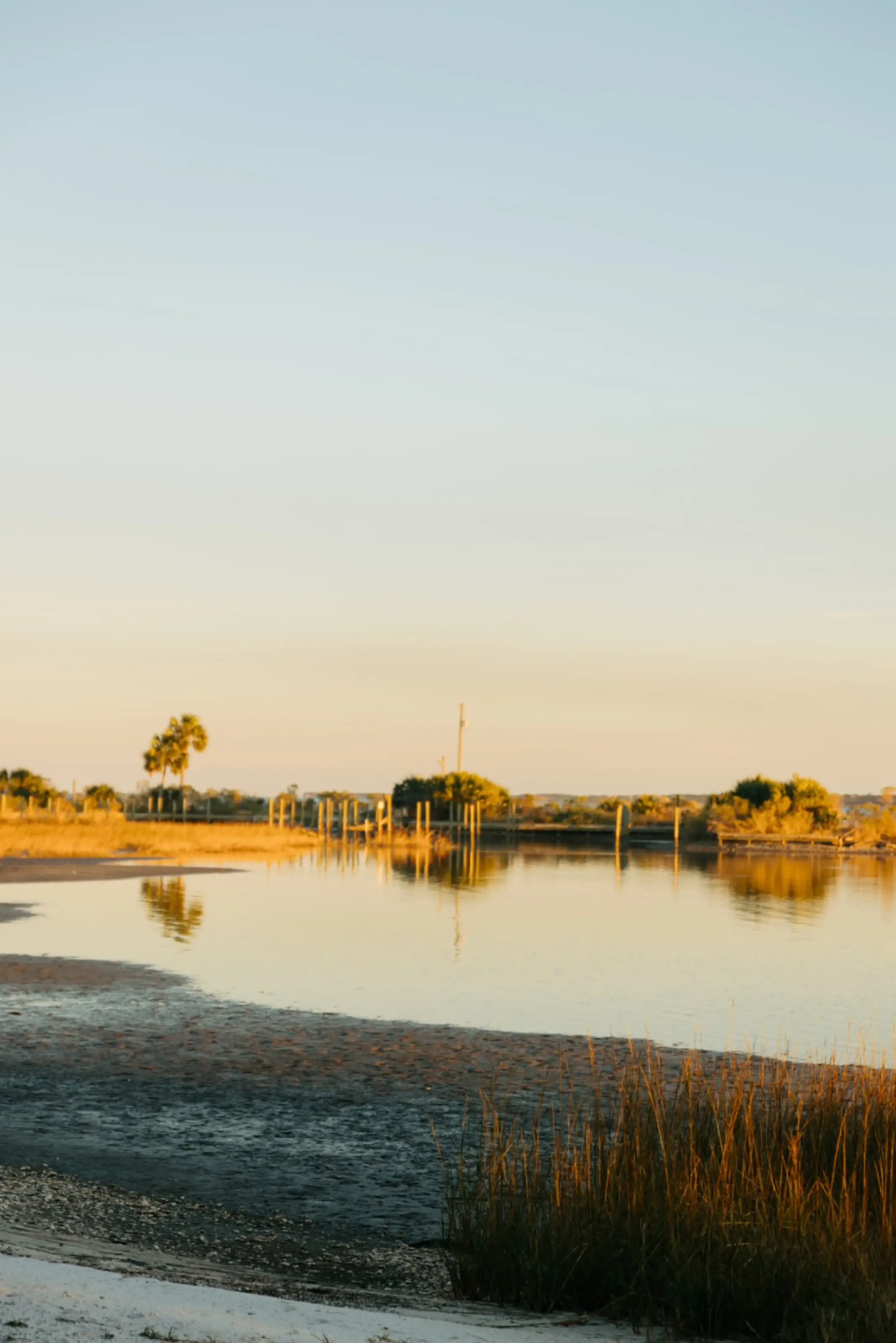
Shallow, protected and usually flat in the morning. St. Vincent Island sits directly across it, an uninhabited national wildlife refuge, so there is nothing built on the far shore.
Dinner in town is eleven miles east along the coast road. We will book it for you.
Getting here
Travel
Tallahassee (TLH)
The closest commercial airport, and the usual way in.
Panama City (ECP)
West along the coast, with more direct flights from some cities.
Destin–Fort Walton (VPS)
Further west along the coast, and a longer drive.
Driving
The coast road runs east and west past the property. You will want a car.
Exact drive times from each airport are being confirmed and will be given to you directly. We can arrange transfers and, for groups arriving together, a car and driver for the week.
Planning
Come and see it
Tell us when you are thinking of coming and we will work out the practicalities — flights, transfers, and what the coast is doing that time of year.